Quick Guide to Safe Sharps and Hazard Rubbish at Home
If you've ever found an old syringe in a drawer, a broken thermometer in a bathroom cabinet, or a half-used tin of paint tucked behind the washing machine, you already know the problem: hazardous waste at home tends to hide in plain sight. A quick guide to safe sharps and hazard rubbish at home helps you deal with those items calmly, without turning a small mess into a risky one.
Sharps, chemical containers, batteries, aerosols, solvents, cleaning products, medicines, and other hazardous bits of household rubbish need a different approach from ordinary black-bin waste. Some items can injure you, some can leak, and some should never be mixed with general rubbish. The good news is that safe handling is usually straightforward once you know what to look for and how to separate, contain, and dispose of it properly.
This guide walks through the practical steps, common mistakes, and sensible disposal options so you can protect your household and keep things manageable. If you're also sorting out larger waste at the same time, it can help to understand the broader options for waste disposal, rubbish removal, or even a full home clearance if the clutter has built up over time.
Table of Contents
- Why safe sharps and hazard rubbish at home matters
- How safe handling and disposal works
- Key benefits and practical advantages
- Who this is for and when it makes sense
- Step-by-step guidance
- Expert tips for better results
- Common mistakes to avoid
- Tools, resources and recommendations
- Law, compliance, standards and best practice
- Options and methods compared
- Case study or real-world example
- Practical checklist
- Conclusion
- Frequently asked questions
Why Quick Guide to Safe Sharps and Hazard Rubbish at Home Matters
Household hazardous waste is easy to ignore because much of it is small. That is exactly what makes it risky. A razor blade can cut through a liner. A loose needle can injure anyone emptying a bin. A leaking bleach bottle can damage surfaces. A battery can overheat or spark if damaged. None of this is dramatic on its own, but the risk grows when items are thrown together without thought.
Safe disposal matters for three practical reasons. First, it protects people in the home, including children, older adults, cleaners, and anyone handling the rubbish later. Second, it reduces environmental contamination. Some chemicals should not go into drains or general waste because they can seep into soil and water. Third, it keeps your home organised. When hazardous bits are properly separated, it becomes much easier to clear cupboards, garages, lofts, and utility spaces without second-guessing every item.
There's also a comfort factor. Let's face it: nobody enjoys finding a mystery container of unknown liquid when they're trying to tidy up. A simple, repeatable approach makes the task less stressful and far less messy.
If the hazardous items are part of a larger decluttering job, you may also find it useful to look at rubbish clearance or waste clearance services so everything can be handled in one organised pass.
How Quick Guide to Safe Sharps and Hazard Rubbish at Home Works
The process is simpler than many people expect. In practice, safe handling follows four stages: identify, isolate, contain, and arrange disposal. Those stages sound formal, but at home they usually mean a few sensible habits carried out consistently.
1. Identify the item
Start by deciding whether the object is actually hazardous. Common examples include needles, lancets, syringes, glass ampoules, broken glass contaminated with bodily fluids, razor blades, expired medicines, batteries, aerosols, paint thinners, strong cleaning products, fluorescent tubes, and some electronic items. If you are unsure, treat it as higher-risk until you can verify what it is.
2. Isolate it from normal rubbish
Do not leave sharps mixed in with food waste, cardboard, or general black-bag rubbish. Put them aside immediately. If the item is sharp, place it where nobody can accidentally reach in or brush against it.
3. Contain it properly
Use a puncture-resistant container for sharps where possible. For other hazardous items, keep them in their original packaging if the label is intact. If that is not possible, place them in a sealed, clearly labelled container and keep incompatible items apart. For example, keep bleach separate from acids and keep batteries separate from loose metal scraps.
4. Choose the right disposal route
Some items can go through local council services, some through pharmacy or household hazardous waste routes, and some through specialist collection. For bulky mixed waste, it may be easier to combine your sorting with a bulky waste collection or a dedicated bulk waste collection if the load is substantial.
The key is not speed alone. Safe disposal is about matching the item to the correct route, even if that takes a little longer.
Key Benefits and Practical Advantages
Handling hazardous rubbish properly gives you more than peace of mind. It improves safety, saves time later, and often makes the rest of the clear-out easier.
- Lower risk of injury: Sharp objects are contained before anyone gets cut or punctured.
- Cleaner storage areas: Garages, sheds, under-sink cupboards, and loft spaces stay easier to use.
- Less contamination: Chemicals are less likely to leak onto floors or mix with unsuitable waste.
- Better recycling outcomes: Separating hazardous items can prevent otherwise recyclable materials from being contaminated.
- Less friction on collection day: If rubbish is sorted in advance, removal is simpler and usually smoother.
There is also a practical benefit people often overlook: once you create a routine for hazard rubbish, other household sorting becomes faster. It is much easier to clear a garage or utility room when you know exactly how to deal with the odd items that usually cause hesitation.
For households dealing with mixed items after a renovation or DIY project, pairing hazardous waste sorting with builders waste clearance can be a sensible way to keep the job contained.
Who This Is For and When It Makes Sense
This guide is relevant to far more people than those who keep medical supplies at home. The most common scenarios are surprisingly ordinary.
- Families with first-aid kits or medical supplies: Used lancets, needles, and expired medicines are common household hazards.
- Home improvers and DIYers: Paint, glue, solvents, blades, and chemical cleaners often build up in garages or sheds.
- Older households clearing stored items: Long-ignored boxes in lofts or cupboards can contain mixed hazard rubbish.
- Landlords and tenants: Move-outs sometimes uncover sharp or hazardous leftovers that need sorting before the property is handed over.
- People managing medical care at home: Proper sharps handling is essential where injections or regular treatments are involved.
It also makes sense when you are already clearing out larger household items. For example, if you are dealing with broken furniture, old white goods, or a fridge that has been sitting too long, combining the task with furniture disposal or white goods recycle can save repeated handling.
If you live in a flat, shared building, or a property with limited storage, safe containment matters even more. One loose blade in a communal bin area is enough to create a real problem.
Step-by-Step Guidance
The best way to deal with hazardous rubbish at home is to slow down for a minute and work methodically. This is one of those jobs where speed is useful only after you know what you're doing.
Step 1: Put on basic protection
Use gloves if you are handling anything sharp, dirty, leaking, or dusty. For broken glass or contaminated items, closed shoes are also a smart choice. If the item is dusty, powdery, or fuming, keep your face away from it and open windows for ventilation.
Step 2: Separate sharp items immediately
Do not try to "bundle" loose sharps into a carrier bag. Place needles, blades, broken glass, and similar items directly into a rigid container. A proper sharps box is best for medical sharps. If you do not have one, use a thick, sealable container that cannot be easily punctured, then arrange proper disposal as soon as possible.
Step 3: Keep chemicals in their own lane
Keep household chemicals in original containers whenever feasible. Labels matter. They tell you what the item is and help prevent accidental mixing. Never tip different cleaning products into the same bottle just to save space. That is how harmless clutter becomes an avoidable hazard.
Step 4: Check for special items
Some items need a separate route. Batteries, aerosols, fluorescent tubes, and small electricals often have their own collection options. Fridges and freezers need careful handling because of refrigerants and components that should not be dismantled casually. If you have one to remove, review fridge disposal before moving it.
Step 5: Store safely until collection
Keep the container somewhere dry, stable, and out of reach of children and pets. Do not leave it near heaters or in direct sun. A locked cupboard or a clearly separated area in the garage is usually better than a kitchen corner that invites mistakes.
Step 6: Choose the disposal route
Check what your council accepts, what your pharmacy or local household waste site can take, and whether you need a specialist provider. If you are already arranging a wider house emptying, a house clearance or flat clearance service may be the cleanest next step, especially if the hazardous items are part of a much bigger load.
Step 7: Record what you removed
For anything medical or chemically sensitive, it can be useful to note what you disposed of and when. That is especially helpful for landlords, carers, or anyone managing ongoing treatments or repeat purchases.
Expert Tips for Better Results
A few habits make this kind of sorting much easier and safer. None are complicated, but they make a noticeable difference.
- Keep one dedicated container for sharps: Don't wait until the bin is full of mixed items.
- Label temporary containers clearly: A simple "SHARPS" or "HAZARDOUS" label helps everyone in the home.
- Separate liquids from solids: It reduces the chance of spills and makes disposal cleaner.
- Don't overfill rigid containers: Leave space so the lid closes securely.
- Sort as you go: If you're already clearing a garage or loft, separate hazardous items immediately rather than creating a second sorting session later.
- Keep children out of the area: They are curious, quick, and very good at finding the one thing you meant to move in a moment.
Another sensible practice is to group similar items together. For example, keep medical sharps in one sealed container, old cosmetics and blister packs in another, and broken bulbs or batteries in a third. Small categories prevent confusion and reduce the chance of incorrect disposal.
If you are weighing up whether to handle everything yourself or bring in support, a reputable company's health and safety policy and insurance and safety information should be part of your decision, especially for mixed or awkward loads.
Common Mistakes to Avoid
Most problems come from haste, not from complexity. The following mistakes are easy to avoid once you know they exist.
- Throwing sharps into loose bin bags: This is the classic avoidable injury risk.
- Mixing chemicals together: Even small amounts can react or create fumes.
- Using fragile containers: Thin plastic tubs are not enough for sharp objects.
- Ignoring labels: Unknown liquids should not be guessed at or poured away casually.
- Leaving containers unsealed: A loose lid can tip in storage or during transport.
- Putting hazardous waste out with ordinary recycling: It may contaminate an entire load.
- Waiting too long: Temporary "safe" storage should stay temporary.
A quieter mistake is assuming that everything small is harmless. In reality, a few batteries, a couple of blades, and a leaking bottle can cause more trouble than one bulky item ever would.
Tools, Resources and Recommendations
You do not need specialist equipment for every home situation, but a small set of practical tools makes the job much safer.
| Item | Why it helps | Best used for |
|---|---|---|
| Rigid sharps container | Prevents punctures and accidental contact | Needles, lancets, blades, syringes |
| Thick gloves | Improves grip and reduces cut risk | Broken glass, sharp packaging, dirty items |
| Sealable labelled tub | Keeps hazardous items organised | Batteries, bulbs, small chemical items |
| Sturdy box with lid | Useful for transport and temporary segregation | Mixed non-liquid hazard rubbish |
| Absorbent material | Helps contain small leaks | Leaking bottles or containers |
For larger household clear-outs, the practical recommendation is to plan the hazardous items first, then the bulky waste. That order prevents you from burying the difficult stuff under everything else. If you are disposing of beds or mattresses as part of a major tidy-up, look at mattress disposal and bed disposal to keep the whole job moving in the right direction.
It can also help to browse service pages that explain broader collection routes, especially if you have more than just one or two items. Relevant options include council waste collection, council large item collection, and specialist waste removal when the load needs a more flexible approach.
Law, Compliance, Standards, or Best Practice
For householders in the UK, the practical rule is simple: do not dispose of hazardous waste in a way that puts people or the environment at risk. Exact rules vary by item and by local authority, so it is sensible to check your council guidance before moving anything out of the home.
Best practice usually includes keeping sharps in suitable containers, following any instructions from a pharmacist or care provider, and using approved disposal routes for items such as medicines, batteries, and chemicals. Councils may accept some household hazard items through specific collection or recycling arrangements, while others need special handling. If you are unsure, ask before you move.
For landlords, business owners, and anyone managing a property turnover, the duty to sort waste properly becomes more than a convenience. Professional clearance should align with local expectations and safe working practices. If your needs go beyond domestic waste, the pages on business waste removal and recycling and sustainability give a useful sense of the wider approach.
One more practical note: do not assume a "general" clearance service automatically takes everything. Ask what is accepted, how hazardous items are handled, and whether there are separate requirements for sharps, liquids, white goods, or bulky appliances. Good providers should be clear, not vague.
Options, Methods, or Comparison Table
There are usually three realistic ways to deal with safe sharps and hazard rubbish at home. The right choice depends on the amount, the item type, and how quickly you need the space cleared.
| Method | Best for | Pros | Watch out for |
|---|---|---|---|
| Household self-sorting and council route | Small amounts of managed waste | Low cost, familiar, suitable for routine disposal | Needs patience and careful checking |
| Pharmacy or specialist sharps route | Medical sharps and treatment waste | Safer for puncture risk, often straightforward | May require specific container or drop-off process |
| Professional clearance service | Mixed or larger quantities, awkward loads, decluttering jobs | Convenient, faster, less handling by the homeowner | Must confirm what is included and what needs separate handling |
For many homes, the choice is not either-or. You might safely handle small medical sharps yourself, then use a professional team for the rest of the clutter. That mixed approach often gives the best balance of cost, safety, and convenience.
If the job includes large furniture, garden clutter, or garage items as well, a combined visit through garage clearance, garden clearance, or loft clearance can reduce repeated sorting and multiple trips.
Case Study or Real-World Example
Imagine a typical Saturday clear-out in a family home. The goal is simple: tidy the utility room, empty an under-stairs cupboard, and get rid of old boxes before they spread into the hallway.
In one box, the homeowner finds two expired medicines, a few loose batteries, an old utility knife, a cracked plastic container that once held bleach, and a needle from an old home treatment kit. None of these are huge problems by themselves, but they should not be dealt with the same way.
The sensible sequence is:
- Set the needle aside into a rigid sharps container.
- Keep the expired medicines in a separate bag for pharmacy guidance.
- Place batteries in a dedicated container.
- Discard the cracked bleach container only after confirming it is empty and safe to handle, then keep it separate from other waste if residue remains.
- Wrap the utility knife safely and label it before disposal.
The whole job takes a little longer than tossing everything into one bin, but the room ends up cleaner, safer, and ready for the rest of the clearance. That is the real payoff: less panic, fewer surprises, and no one wondering whether a bin bag is hiding something unpleasant.
Practical Checklist
Use this checklist when you're sorting hazard rubbish at home.
- Identify all sharp, chemical, medical, or battery-related items.
- Keep sharps away from ordinary waste immediately.
- Use a rigid, puncture-resistant container for needles and blades.
- Leave chemicals in original containers where possible.
- Separate batteries, aerosols, bulbs, and liquids from general rubbish.
- Label temporary containers clearly.
- Store hazardous items out of reach of children and pets.
- Check local council or pharmacy disposal options.
- Confirm whether your clearance provider accepts the items.
- Arrange collection or drop-off without delaying too long.
If you are also clearing a property from top to bottom, a broader service like house clearance or rubbish removal may be the easiest way to finish the job cleanly.
Conclusion
The safest way to handle sharps and hazard rubbish at home is to treat them as a separate category from ordinary waste, then give each item a proper route out of the property. That usually means a rigid container for sharps, clear segregation for chemicals and batteries, and a sensible disposal plan through council, pharmacy, or specialist collection.
Once you build the habit, the process becomes routine rather than stressful. You protect your household, avoid accidental injuries, and keep your home much easier to manage. That matters whether you are dealing with a single box of old supplies or a much larger decluttering project.
For service details, availability, or help with a mixed clearance job, you can review the site's approach and support pages, then choose the option that best matches your situation. If you need assistance, the next step is straightforward: speak to a provider that can explain what they take, how they handle it, and what needs separate care.
Get a free quote today and see how much you can save.
Frequently Asked Questions
What counts as sharps in a home setting?
Sharps are items that can puncture or cut skin, such as needles, syringes, lancets, scalpel blades, razors, and broken glass contaminated by bodily fluids. If it can stab, slice, or pierce, treat it carefully.
Can I put needles in the normal bin?
No, needles should not go into ordinary household rubbish. Use a proper sharps container or follow the disposal route recommended by your local authority, pharmacist, or care provider.
What should I do with expired medicines?
Keep them separate and use the recommended return or disposal route. Many people take them back through a pharmacy or follow local council guidance. Do not flush them unless official instructions specifically say to do so.
Are batteries classed as hazardous waste at home?
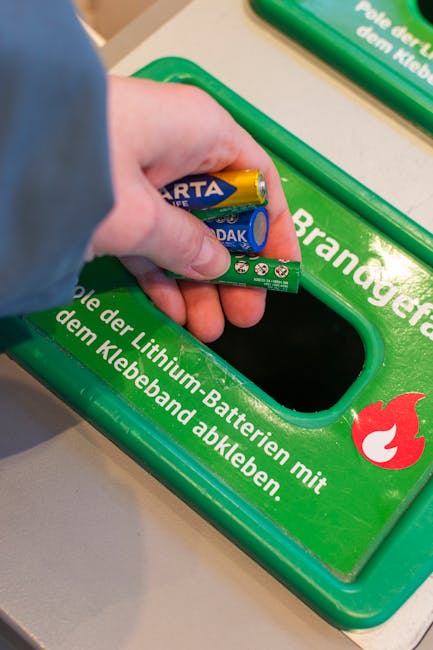
Yes, batteries should usually be kept apart from general waste. They can leak, overheat, or cause problems if damaged. Store them safely and use a suitable recycling or collection point.
Can I throw old cleaning products away with general rubbish?
Not if they are still full, leaking, or potentially reactive. Check the label, keep incompatible products apart, and follow local disposal guidance. Empty containers may be treated differently from leftover liquids.
What is the safest way to store sharps before collection?
Use a rigid, puncture-resistant container with a secure lid. Keep it upright, labelled, and out of reach of children and pets until you can dispose of it properly.
Do councils collect hazardous household waste?
Some councils offer special collections or drop-off options for certain hazardous items, but the exact service varies. It is always best to check your local council's current guidance before assuming they will take a specific item.
Can a clearance company take sharps and hazardous rubbish?
Some can, but not all accept the same items. Ask in advance which materials they handle, how they separate them, and whether any items need specialist treatment or separate disposal.
What if I find an unknown chemical container?
Do not open it, mix it with anything else, or pour it away. Keep it sealed if possible, isolate it from other waste, and seek advice from the council or a qualified clearance provider.
Are aerosols considered hazardous waste?
They can be, especially if they still contain product or propellant. Never puncture them. Store them safely and check the local disposal route rather than treating them as ordinary cans.
How do I dispose of broken glass safely?
Wrap it securely, place it in a rigid container, and label it so nobody reaches in by mistake. If the glass is contaminated, keep it separate and follow more cautious disposal guidance.
When is professional help worth it?
It is usually worth it when the waste is mixed, bulky, awkward, or part of a larger clear-out. Professional help can save time and reduce handling, especially if you also have furniture, appliances, or garage clutter to remove.
Is it okay to store hazardous waste in the garage?
Sometimes yes, but only if it is clearly contained, labelled, and out of reach. Avoid heat, damp, and easy access. A garage is a storage area, not a place to forget about the item indefinitely.
What is the quickest safe next step if I have several hazard items at home?
Sort them into categories first: sharps, medicines, chemicals, batteries, and anything bulky. Then check council, pharmacy, or professional clearance options for each category. That keeps the job controlled and avoids rushed mistakes.