Garage Clearance in London

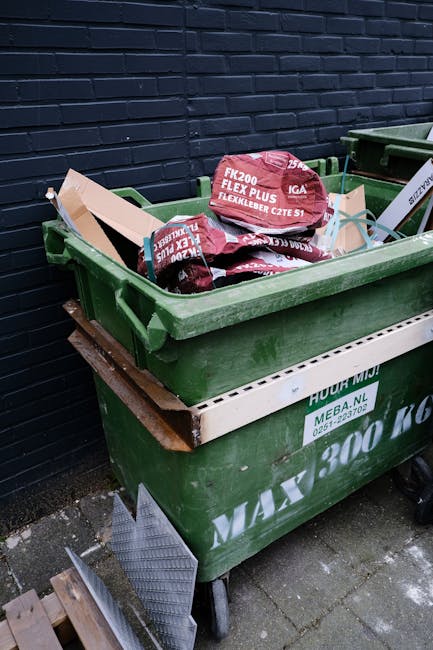
Our garage clearance in London helps households, landlords and businesses clear out unwanted items, separate reusable materials and leave the space ready for its next use. We handle general garage contents, old storage from over the years, bulky items and mixed rubbish that needs sorting before removal. The service is built around practical clearance work, so you can deal with a packed garage without managing the heavy lifting yourself.
If you are planning a wider property clear-out, we also work across related services such as house clearance, loft clearance and furniture clearance. These pages help you compare options where a garage is only one part of the job, or where items are spread across more than one room or outbuilding. Use the most specific service page that matches the waste you need removed, especially if part of the load includes furniture, white goods or building debris.
For an initial enquiry, it helps to note the type of contents in the garage and whether anything needs to be handled with extra care, such as fragile items, paint tins or electricals. We can then discuss access, lifting and the likely mix of materials. If you already know the job is straightforward, you can still request a quotation on the dedicated pricing page or make a direct enquiry by the contact route at the end of the site.
What our garage clearance service covers
Garage spaces often become a catch-all for household storage, broken items and seasonal equipment, which makes clearance very different from a simple bin collection. Our work is designed to remove that accumulated clutter in a structured way, leaving the area clear and easier to use again. We can take mixed loads that include small loose waste, larger stored items and materials that need separating before disposal, while keeping the process orderly and practical.
In many cases, a garage clearance also involves a degree of sorting. Some items may be suitable for reuse or recycling, while others are better handled as general waste. When a garage contains a broad mix, services such as rubbish clearance and waste removal can be relevant too, particularly if you want one collection to deal with several categories together. Our aim is to keep the job focused on removal, not force you to empty everything before we arrive.
The most useful enquiries usually include a brief description of the contents and how accessible the garage is. If the garage is attached, detached, under a block or shared with other storage, that affects the handling plan. A clear description saves time when we prepare the quotation, and it also helps us judge whether the work is a straightforward clear-out or part of a larger household or business clearance. That makes the quote more accurate from the outset.
Mixed items, bulky waste and what can be removed

Garage contents are rarely uniform. A single space may hold household junk, spare furniture, broken sports equipment, old boxes and loose items from several years of storage. We remove mixed loads like these in one visit where possible, and we can also deal with bulky items that are awkward to move through a narrow entrance or down steps. This is particularly useful when the garage has been used as overflow storage for the rest of the property.
To help you decide which service page is the best fit, it can be useful to think in terms of the main item type. For example, if the garage contains mostly seating or tables, sofa removal and furniture collection may be more precise. If the space is filled with general household waste, bulk waste collection may suit the job better. Choosing the closest match helps us describe the job clearly and avoids confusion about the contents.
We also handle circumstances where some items need special disposal routes. A garage can contain mattresses, fridges, beds or other large articles that should not simply be treated as ordinary rubbish. Where that happens, the relevant pages, such as mattress collection, fridge disposal and bed disposal, provide a better description of the work. That way, your enquiry reflects the actual load rather than an approximate label.
Commercial and domestic garage clearances
Although garages are often associated with homes, the same kind of clearance can also appear in business settings, storage yards or workshop areas. We can handle the removal of general accumulated waste from these locations when the contents are suitable for a clearance service rather than a specialist demolition or strip-out. The practical difference is usually in the mix of items, the access arrangements and whether the space has been used for storage, tools or stock.
For business premises, the scope may overlap with business waste removal or office clearance if the items are being taken from a workplace store room or ancillary garage. In domestic settings, the same load might be closer to home clearance if the garage is part of a wider house move or declutter. We keep the service practical and adaptable so the collection matches the setting rather than forcing the wrong category.
One thing that is worth planning in advance is access. A garage clearance is simpler when the route from the space to the vehicle is unobstructed, but we can still work around everyday restrictions. If the garage is behind a gate, shared with neighbours or reached via a narrow passage, that is useful to mention. You do not need to over-explain the job; a concise description of the contents, access and any heavier items is usually enough to begin.
How pricing is usually shaped

Pricing for a garage clearance is generally influenced by the volume of waste, the type of material involved, the lifting required and how much sorting is needed on site. A garage filled with mainly light, loose items is different from one containing heavy cabinets, mixed rubble or awkward equipment. The final figure reflects the amount of work involved, so clear information at the start is the best way to keep the quotation relevant.
The dedicated pricing and quotes page is the most direct place to start if you want a clearer sense of how we approach quotations. It is also helpful when a garage clearance is part of a bigger project, because the same enquiry may need to cover several categories at once. If the contents include materials that need recycling or separate handling, the overall work can change accordingly, so an accurate description is more useful than a rough estimate.
For many customers, the simplest approach is to list the main item types and note anything unusually heavy or fragile. You do not need a perfect inventory; a practical summary is enough. If the garage contains a few large items and a lot of smaller loose contents, that is still useful information. The point is to match the service to the job, not to make the enquiry administrative. That keeps the quotation process straightforward and grounded in the actual clearance needs.
Recycling, disposal and responsible handling
Garage contents often contain a mix of materials that are better handled separately where possible. Metal shelving, hard plastics, old tools, cardboard, electrical items and general household rubbish may all appear in the same clearance. Our service is organised around removing the load efficiently while supporting sensible disposal routes, so the contents are not treated as one undifferentiated pile. That is especially important when a garage has been used for long-term storage rather than short-term holding.
Where customers want to understand disposal in more detail, the related pages on waste disposal and recycling and sustainability set out the broader approach. These pages are useful when a garage job includes materials that should not simply go into a general rubbish category. They also help if you are comparing a straightforward clearance with a more disposal-focused service, especially where the contents include recyclable or reusable materials.
Some garage clearances involve items that need extra attention because of their size, weight or nature. White goods, old mattresses and broken furniture are typical examples. Where those items are present, a targeted service page may describe the load more accurately than a generic clearance label. It is often better to be precise at the quotation stage, because the item mix can affect handling time and disposal routing, even when the overall job is still a simple clear-out.
From a single garage to a fuller property clearance
Not every customer needs the garage handled in isolation. Sometimes the garage is being cleared as part of a move, a renovation, a tenancy change or a wider declutter that includes other rooms. In those situations, it may be sensible to compare the garage work with flat clearance, office clearance or waste clearance, depending on the type of property and the contents involved. This keeps the scope realistic and avoids splitting one job into several separate enquiries unnecessarily.
For mixed property jobs, it is also worth thinking about timing and access. A garage clear-out linked to other work can be easier to plan when the load is grouped logically, rather than moved in stages without a clear order. If the garage contains only a small amount of waste, it may sit comfortably within a broader clearance appointment. If it contains a larger accumulation, it may be better to treat it as its own job. Either way, the aim is an efficient and well-scoped removal.
- Identify the main contents by type: general rubbish, furniture, appliances or mixed storage.
- Note any awkward access, stairs, narrow gates or shared entrances.
- Mention anything that needs special handling, such as electricals or heavy items.
- Decide whether the garage is a standalone job or part of a bigger clearance.
About London
London is a large and varied capital city shaped by centuries of expansion along the River Thames. Its geography brings together historic centres, planned squares, dense residential districts and major commercial areas, all linked by a transport network that includes Underground lines, rail termini, buses and river crossings. The city’s fabric reflects different eras of growth: Roman origins, medieval cores, Georgian terraces, Victorian streets, post-war rebuilding and contemporary redevelopment all sit alongside one another. That layered development gives London a distinctive character, where old parish boundaries, market streets and new mixed-use districts often meet within a few blocks. The Thames remains one of the most recognisable features of the city, with bridges, embankments and riverside paths providing both practical connections and celebrated views. Landmarks such as the Tower of London, Westminster Abbey, St Paul’s Cathedral, the British Museum and the Houses of Parliament are widely known, but London’s identity is not limited to major monuments; many neighbourhoods are equally defined by parks, high streets, local theatres, markets and everyday civic spaces. Green areas such as Hyde Park, Regent’s Park, Hampstead Heath and Richmond Park offer wide open landscapes within the urban area, while smaller squares and gardens create quieter pockets across central and outer districts. The city is also notable for its cultural breadth, with galleries, concert halls, museums, libraries, markets and festivals contributing to a busy public life throughout the year. Its boroughs and districts vary considerably in scale and feel, yet together they form a single metropolitan area whose built environment continues to evolve. London’s streetscape therefore combines historic continuity with constant change, making it a place where infrastructure, architecture and public life are always closely interwoven.
Preparing for a clear and accurate quotation

When you request a quotation, the most useful details are usually the type of items, the approximate volume, the access conditions and whether any special handling is needed. A garage clearance with light household clutter is not the same as one filled with heavy cabinets, damp cardboard or electrical goods. You do not need to write a full inventory, but it does help to be specific about the largest items and anything that may be difficult to move safely.
Another helpful point is whether the clearance is a one-off or part of an ongoing sequence of jobs. For example, a garage being emptied before decorating or a sale may be simpler than a garage that has accumulated mixed waste over a long period. Related services such as large item collection and bulky waste collection can sometimes describe individual parts of the job well, especially when the clearance contains just one or two substantial objects.
Once the main facts are clear, the quotation can focus on the work itself rather than guesswork. Clear information leads to a more relevant response, but it does not need to be overcomplicated. If the job is straightforward, keep the message simple. If there are several kinds of items, say so. If access is awkward, mention that too. That gives enough context for a sensible quote without turning the enquiry into a lengthy form.
Related clearance services for specific item types
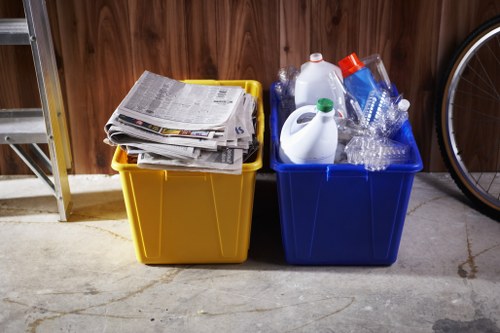
Some garage jobs are best understood as a combination of different clearance tasks. A garage that mainly contains seating or tables may align with furniture removal, while one with garden tools, pots and outdoor equipment may sit closer to garden clearance. A space full of spare appliances, white goods or mixed rubbish may need a broader waste collection approach. Looking at the likely contents before you enquire helps you select the most appropriate service without overcomplicating the process.
Useful related pages include furniture disposal, white goods recycle, garden clearance and house clearance. Those options are not replacements for garage clearance, but they can be helpful when the job is dominated by a particular item category or when the garage is only one part of a larger clearance pattern. Choosing the closest match makes the enquiry more precise and helps us discuss the work in practical terms.
If you are ready to move forward, ask for a quote and describe the garage contents in plain terms. We will use that information to shape the right service route and explain the likely scope. For a direct next step, you can send your enquiry through the contact page when you are ready to proceed.