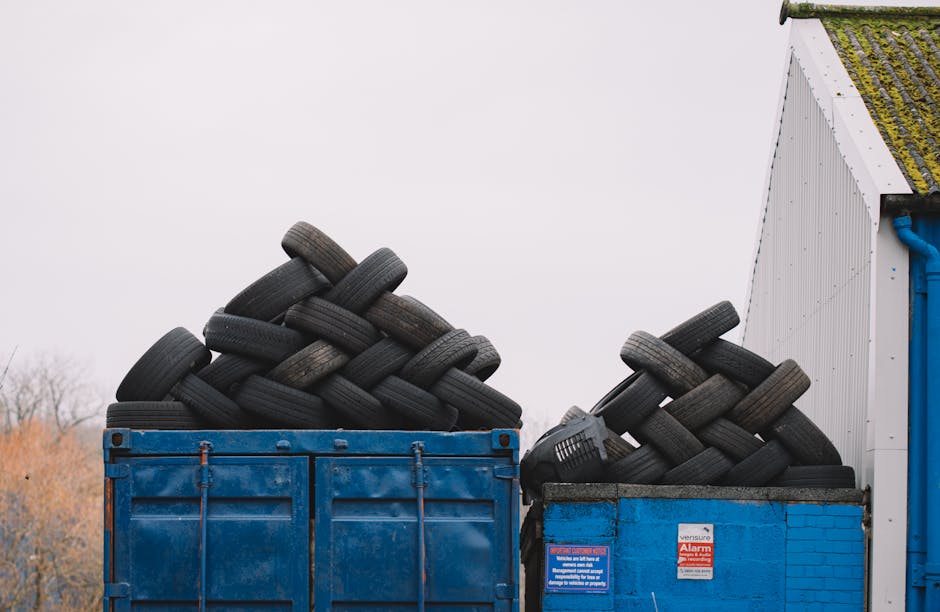
Why Mixing Recycling with General Rubbish Costs You More
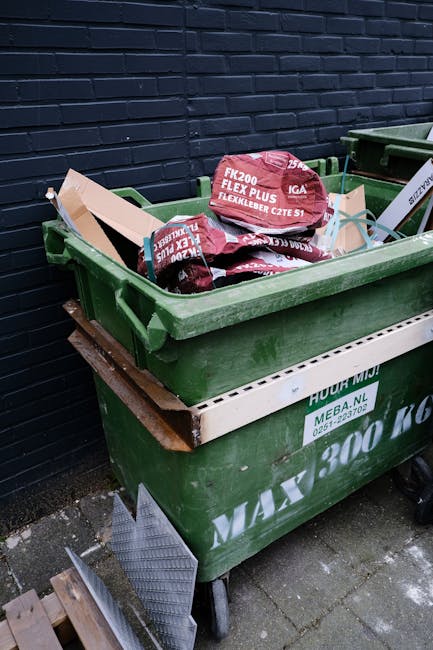
If you have ever stood in front of a half-full bin bag and thought, "It's all waste anyway, why split it up?", you are not alone. But the truth is that mixing recycling with general rubbish costs you more in ways that are easy to miss at first and expensive by the end of the month. The extra cost is not just about the bin collection itself. It can show up in contamination charges, rejected loads, longer sorting times, higher disposal fees, and a lot more hassle than most people expect.
Whether you are clearing a flat in London, managing a small office, or just trying to keep on top of household waste, the way you separate rubbish matters. It affects what can be recycled, what gets charged at general waste rates, and how smoothly your clearance goes. In this guide, we will break down the costs, the practical reasons behind them, and the simple steps that help you avoid paying more than you need to. Nothing flashy. Just the stuff that saves money.
Why Mixing Recycling with General Rubbish Costs You More Matters
At a practical level, the issue is simple: once recyclable material is mixed into general waste, it usually stops being treated like valuable material and starts being treated like expensive disposal. That shift matters because general waste is normally costlier to remove and process than clean, separated recycling. So even if the bag looks small and manageable, the financial effect can creep in quietly.
There is also the contamination problem. One greasy pizza box, a few food-soiled containers, or a bundle of mixed materials can downgrade an otherwise recyclable load. That means more of your rubbish may be sent for disposal instead of recovery. And yes, the bill tends to follow the dirtiest part of the load. Annoying? Absolutely. But it is very real.
For households, the cost may show up as missed opportunities to use council recycling services properly or needing a larger general waste bin. For businesses, especially offices, shops, landlords, and hospitality venues, the impact can be sharper. A single mixed skip or clearance load can wipe out the savings of careful sorting. In our experience, that is usually where the surprise comes from: people think they are saving time by combining everything, then end up paying for that shortcut twice.
Expert summary: If recycling and general rubbish are mixed together, you usually lose the lower-cost route for clean recyclable items and invite contamination fees, slower handling, and higher disposal costs. Separation is not just tidy; it is cheaper.
How Mixing Recycling with General Rubbish Costs You More Works
To understand the cost, it helps to follow the waste after it leaves your property. Clean recyclable materials can often be sorted, baled, and processed into new material streams. Mixed general rubbish, on the other hand, is more likely to need manual sorting, specialist treatment, or disposal as residual waste. That extra handling takes time and money.
Here is where costs tend to build up:
- Contamination penalties: A collection or clearance provider may charge more if recyclables are polluted by food waste, liquids, nappies, broken glass, or mixed materials.
- Rejected loads: If a load is too contaminated, it may need to be re-sorted or diverted entirely to landfill or energy-from-waste routes.
- Higher disposal rates: General waste is typically more expensive to process than properly sorted recycling.
- Extra labour: Someone has to separate what could have been separated at source. That adds handling time. And labour is never free, despite what some invoices seem to imply.
- Reduced recycling value: Clean materials have better recovery value than mixed, dirty, or damaged ones.
There is also a logistics effect. Mixed waste is heavier, bulkier, and less efficient to transport. A truck carrying a lot of recoverable materials in the wrong stream is not using space well, and that inefficiency can feed into your price. For larger clearances, this becomes very noticeable. A van load that should have been two light, clean trips can turn into one awkward, heavy, fiddly one.
Think of it like this: a pile of cardboard, clean plastic bottles, and old packaging is far easier to move through the system than the same pile soaked with coffee, broken ornaments, and leftover food. Same volume maybe, but not the same cost. Not even close.
Key Benefits and Practical Advantages
Separating recycling from general rubbish is not only about avoiding extra charges. It also makes the whole job easier to manage. Once you get used to it, the process becomes strangely satisfying, almost like clearing out a cluttered drawer and suddenly being able to breathe again.
The main benefits include:
- Lower disposal costs: You keep recyclable items out of the most expensive waste stream.
- Better service efficiency: Clear, sorted waste is quicker to collect and process.
- Less contamination risk: Clean material is more likely to be recycled properly.
- Improved space use: Separate waste streams are easier to store, stack, and remove.
- More predictable bills: Fewer surprises, fewer awkward add-on charges.
- Stronger sustainability: More of what you throw away can go back into use.
For businesses, there is also a reputational benefit. Customers, clients, and landlords notice when waste is handled sensibly. It does not need to be theatrical. Just orderly. A back-of-house area that is labelled, separated, and tidy tells its own story.
For households, the advantage is more personal: less mess, less smell, and less panic on collection day. You know the feeling. It is 7:45 on a damp Thursday, the bins are already full, and there is one bag you really wish you had sorted yesterday. Better to avoid that moment entirely.
Who This Is For and When It Makes Sense
This matters to almost everyone, but some people will feel the impact more sharply than others.
Homeowners and renters benefit when they are clearing lofts, garages, kitchens, or gardens. If you are getting rid of cardboard, plastics, metal, white goods, or furniture, separating what can be recycled from the residual rubbish usually makes the job cheaper and cleaner.
Businesses should pay especially close attention. Offices generate paper, packaging, and broken items. Shops and hospitality venues produce a mix of recyclable packaging and food-contaminated waste. If everything goes into one bin, costs rise quickly and recycling rates drop just as fast.
Landlords and letting agents often face post-tenancy clearances where old furniture, bags of mixed rubbish, and leftover packaging have all been tipped together. That is exactly the kind of situation where a proper sort can trim the invoice.
Anyone booking a clearance service should think about separation before collection day. If you are ordering services like rubbish clearance or arranging a larger job such as bulk waste collection, the way you present the waste can materially affect the cost.
It makes the most sense whenever you have mixed materials, visible recyclables, or a job large enough that manual sorting would eat into time and money. In short: if the waste pile is bigger than a couple of bags, sorting starts to matter. Quite a lot, actually.
Step-by-Step Guidance
If you want to avoid unnecessary costs, follow a simple process before the waste is collected or taken away.
- Separate by material first. Keep cardboard, clean paper, metal, plastics, and glass apart from general rubbish where practical.
- Remove contamination. Tip out liquids, scrape food residue, and avoid mixing recyclables with food waste or sanitary waste.
- Flatten and bundle. Cardboard boxes and packaging take up less space when flattened, which makes collection more efficient.
- Identify bulky items. Furniture, mattresses, fridges, and white goods often need specific handling. Do not bury them in mixed rubbish.
- Choose the right service. A mixed load may need a general clearance service, while a clean recyclable load may be better suited to targeted collection or recycling routes.
- Label bins or piles clearly. Simple signage helps in homes, offices, and shared buildings.
- Ask about what is accepted. Different providers may have different sorting expectations, especially for mixed or bulky items.
A useful rule of thumb: if you would hesitate before placing something in recycling because it is dirty, broken, or mixed with other rubbish, keep it out. That one moment of caution can save you a lot later.
For jobs that involve furniture or white goods, it is worth checking related services such as furniture clearance and white goods recycling, because these items often need their own handling route. A fridge tucked into a pile of general waste is a classic "please don't do that" situation. In the real world, it only makes the collection messier.
Expert Tips for Better Results
There are a few habits that make a noticeable difference. Nothing complicated. Just the sort of small changes that keep costs under control.
- Set up two or three waste points. One for recycling, one for general rubbish, and one for bulky or special items works better than a single catch-all bin.
- Keep a "clean materials" box. Cardboard, paper, and plastic packaging stay in better condition when stored separately.
- Plan the clearance in advance. If you are removing a room full of waste, sort before the van arrives. It is faster and usually cheaper.
- Watch for hidden contamination. A bag of recycling can be ruined by a few food wrappers, wet tissues, or coffee cups.
- Ask for the right collection type. If you know you have mostly recyclable material, say so. It may change the job structure.
- Use a quick "touch test". If something is greasy, wet, or smells wrong, it probably does not belong with clean recycling.
One practical trick from the field: sort as you go, not at the end. When people leave everything until the night before, the pile tends to become a mystery heap. We have all seen those. Half cardboard, half broken bits, half forgotten. Yes, that is three halves. Waste piles do that to the brain.
If you are dealing with repeated waste generation, such as a shop or office, a regular service like business waste removal may be more cost-effective than ad hoc clearances. Predictable waste streams are easier to separate and cheaper to manage. That is usually where the real savings start.
Common Mistakes to Avoid
Most avoidable waste costs come from a few familiar mistakes. They are simple to spot once you know what to look for.
- Putting food-soiled items in recycling: Greasy pizza boxes, dirty containers, and used paper towels often contaminate a load.
- Mixing soft plastics with general rubbish without checking: Not all plastic packaging is handled the same way, and some types need separate routes.
- Using one bin for everything: It feels efficient in the moment, but the back-end cost is usually higher.
- Ignoring bulky item rules: Sofas, beds, and fridges often need specific collection arrangements.
- Overfilling bags: Heavy, overstuffed bags are harder to sort and more likely to split.
- Assuming "clearance" means "anything goes": Clearance services still need waste to be manageable and correctly described.
Another common slip is not thinking about the end destination. If the waste is likely to be recycled, keep it clean. If it is mixed and dirty, accept that it will probably go down a more expensive route. The biggest mistake is pretending those two things are the same. They are not.
For example, if you are clearing an old sofa or bed base, it is often better to use dedicated services such as sofa removal or bed disposal rather than squeezing them into a mixed rubbish pile. That small choice can prevent extra handling and reduce the chance of a rejected load.
Tools, Resources and Recommendations
You do not need fancy equipment to sort waste properly. A few simple tools go a long way.
- Labelled bins or boxes: Good for separating paper, plastics, cans, and general rubbish.
- Heavy-duty sacks: Useful for residual waste, but keep recyclable items separate where possible.
- Stacking crates: Handy for offices, flats, and small commercial spaces.
- Marker pens and tape: Cheap, old-school, and surprisingly effective for signage.
- Gloves and cleaning wipes: Especially useful when sorting dusty or messy items.
On the service side, it helps to understand the difference between clearance, removal, collection, and disposal. A collection generally focuses on picking up your items. Removal and clearance often involve moving larger amounts of waste from the property. Disposal is what happens after that. If your waste is already sorted, those services can work more efficiently.
If you are unsure what kind of job you need, start with a broader service like waste clearance or waste removal, then ask what can be separated before the load is processed. For domestic jobs, home clearance and house clearance are often the practical starting points. For lighter loads, a straightforward waste collection may be enough.
To be fair, the best resource is usually the waste itself once you look at it properly. If you can identify what is clean, what is recyclable, and what is genuinely residual rubbish, you are already ahead of the game.
Law, Compliance, Standards and Best Practice
Waste handling in the UK comes with duties and expectations, especially for businesses and landlords. The exact rules vary depending on the type of waste and who is responsible for it, so it is wise to treat the details carefully rather than assume one simple rule fits every situation.
As a general best practice, waste should be stored, sorted, and transferred in a way that reduces contamination and supports proper recovery where possible. That is particularly relevant if you are managing commercial premises, shared buildings, or recurring clearances. If your waste is mixed carelessly, the practical risk is not only extra cost but also a weaker recycling outcome and more complicated handling.
For business owners, the key point is straightforward: if you produce waste regularly, you should have a sensible system for separating recyclable material from general waste. That may mean dedicated bins, clear staff instructions, or a regular pickup arrangement. For households, the main concern is simpler but still important: use local collection systems properly and keep recyclable items clean enough to be accepted.
There are also general safety and insurance considerations. Heavy or awkward items can cause injuries if handled badly, and mixed waste can hide sharp edges, broken glass, or unstable loads. If you need support, it is sensible to check service pages such as insurance and safety and health and safety policy so you understand the provider's approach.
Best practice, in plain English, is this: keep recyclable material as clean as possible, separate dangerous or awkward items, and make the waste easier for the next person in the chain. That one habit cuts cost and stress. Simple, but not always easy when the bins are already overflowing.
Options, Methods and Comparison Table
If you are deciding how to handle waste, it helps to compare the common approaches side by side. The cheapest option on paper is not always the cheapest in reality, especially once contamination and sorting time are added in.
| Method | Best for | Cost impact | Pros | Cons |
|---|---|---|---|---|
| Clean separation at source | Homes, offices, shops, regular waste streams | Usually lowest overall | Less contamination, easier processing, better recycling rates | Needs a small amount of planning |
| Mixed waste in one load | Small, occasional clearances where sorting is difficult | Usually highest overall | Quick in the moment | Higher disposal costs, more labour, greater contamination risk |
| Bulky item specific collection | Furniture, mattresses, fridges, white goods | Often better than mixed disposal | Targeted handling, clearer pricing, less mess | May require advance booking or item preparation |
| Regular scheduled waste service | Businesses, landlords, multi-property management | Can be efficient over time | Predictable, organised, easier to monitor | Less flexible for one-off odd jobs |
If you are dealing with bulky waste in particular, services like bulky waste collection, large item collection, and council large item collection can be worth comparing. The main decision is not just "how do I get rid of it?" but "how do I get rid of it without paying for mistakes I could avoid?"
Case Study or Real-World Example
A small office in London once faced a post-move clearance after years of accumulated packaging, broken desk chairs, old paperwork, and a few pieces of office furniture. Nothing dramatic, just the usual end-of-tenancy tangle. The first instinct was to shove everything into one big pile and book the fastest removal option available.
Instead, they spent one afternoon separating the load into cardboard, clean plastics, reusable office items, bulky furniture, and true rubbish. It was not glamorous. There were a few sighs, a couple of dusty corners, and one slightly alarming drawer full of cables no one recognised. But the result was a more manageable collection, less contamination, and a lower-cost waste route overall.
What made the difference was not perfection. It was structure. The team did not need to sort every paperclip. They simply avoided mixing clean recyclable material with residue and oddments that would have pushed the whole load into the most expensive category.
The same pattern shows up in home clearances. A garage full of cardboard boxes, old shelving, mixed household junk, and a broken sofa can be turned into a much cleaner job if the recyclable portion is removed first. The end result is less volume in the general waste stream, and that is where the savings happen. Quietly, but noticeably.
Practical Checklist
Use this before booking a collection or clearing a room. It is not complicated, but it works.
- Have you separated clean recycling from general rubbish?
- Have you removed food residue, liquids, and obvious contamination?
- Have you identified bulky items that need separate handling?
- Are cardboard, paper, plastics, cans, and glass kept apart where practical?
- Have you checked whether any items need a specific collection method?
- Are your bags and boxes manageable for lifting and transport?
- Do you know which items are reusable, recyclable, or residual?
- Have you cleared a path so the collection can be done efficiently?
- Have you asked the provider about accepted waste types?
- Have you planned for anything awkward, heavy, or potentially hazardous?
Quick takeaway: the more you sort before collection, the less you tend to pay after collection. It really is that simple. Not always easy, but simple.
Conclusion
Why mixing recycling with general rubbish costs you more is not just a slogan. It is a practical truth that shows up in fees, labour, transport efficiency, and missed recycling value. Once waste streams are mixed, the material usually becomes more expensive and more difficult to handle. If you separate clean recycling from residual rubbish at the source, you make the job easier for everyone and cheaper for yourself.
That does not mean every item needs a perfect home before collection day. Life is messy. Bins overflow, plans change, and sometimes you discover three old kettles in a cupboard you forgot existed. But even a modest effort to sort waste properly can reduce costs and make clearances smoother. Whether you are arranging a one-off house clearance or managing recurring business waste, the same principle applies: the cleaner the separation, the better the outcome.
If you are ready to reduce waste costs and make collection simpler, start by reviewing what you throw away most often and separating the easy wins first. Small changes there can make a bigger difference than people expect, and that is usually where the savings begin.
Get a free quote today and see how much you can save.
Frequently Asked Questions
Why does mixing recycling with rubbish increase costs?
Because recyclable material loses value when it is contaminated by general waste. The load may need extra sorting, may be charged as residual waste, or may even be rejected altogether, all of which can increase the final bill.
Does mixing waste affect recycling rates?
Yes. Once clean material is mixed with food, liquids, or general rubbish, it is harder to recover and more likely to be sent for disposal rather than recycling.
What kinds of items cause the most contamination?
Food waste, greasy packaging, wet paper, broken glass, nappies, sanitary items, and anything with liquid or residue are common problems. A single dirty item can affect the whole load.
Is it cheaper to sort waste before collection?
Usually, yes. Sorting before collection reduces the amount of general waste in the load and makes it easier for the provider to process recyclables properly.
Can I put cardboard in with general rubbish if I am in a rush?
You can, but you will likely pay more than you need to. Clean cardboard is usually better kept separate because it is one of the easiest materials to recycle.
What should I do with bulky items like sofas or mattresses?
Use a collection method designed for bulky items where possible. Services such as sofa removal or mattress collection are usually better than burying these items in a mixed pile.
Does this only matter for businesses?
No. Households also pay more when recyclable items are mixed with general rubbish. The difference is often more visible for businesses because the volumes are larger, but the principle is the same.
How do I know if something is recyclable?
Check whether it is clean, dry, and made of a material commonly accepted in recycling streams such as cardboard, paper, metal, or some plastics. If it is greasy, wet, or mixed with food waste, it usually belongs elsewhere.
What if I have already mixed everything together?
Separate what you still can. Even a partial sort can reduce costs. Pull out the clean cardboard, cans, paper, and reusable items before booking collection.
Are there risks beyond cost?
Yes. Mixed waste can create handling issues, safety risks from hidden sharp objects, and a poor recycling outcome. It can also make clearances slower and more stressful than they need to be.
Do clearance companies care whether waste is sorted?
Good ones do, because sorted waste is easier to process properly and usually cheaper to handle. It also helps them deliver a cleaner, more efficient service.
What is the simplest way to avoid paying more?
Keep recyclables clean and separate, identify bulky items early, and book the right service for the waste you actually have. A few minutes of sorting can save a surprisingly awkward amount later.
See pricing and quote options if you want a clearer idea of what your waste could cost when it is handled properly.